
A Dangerous New Escalation in the Middle East War
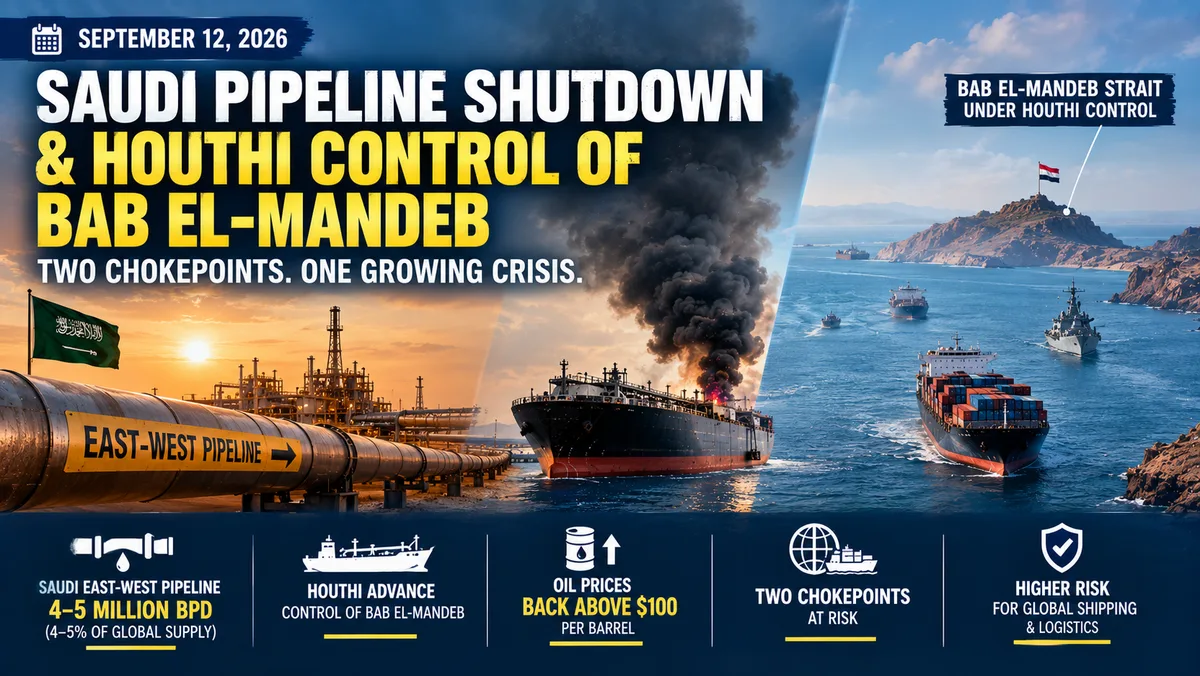
On September 12, 2026, Reuters reported that Saudi Arabia has shut down its East-West pipeline — one of the kingdom's most strategically important pieces of oil infrastructure — after the line came under aerial attack in the widening Middle East war.
The world's largest crude oil exporter temporarily closed the pipeline following a drone attack that both Baghdad and Riyadh said had originated in Iraq, where Iranian-backed militias operate. The strike hit the pipeline on Thursday morning in Saudi Arabia's Riyadh and Medina regions, causing some injuries and damage that is still being assessed.
This closure did not happen in isolation. On the very same day, Houthi forces in Yemen completed a rapid advance that gave them effective control of one of the world's most important shipping chokepoints — creating a two-front energy and shipping crisis that is already pushing oil prices sharply higher.
Why the East-West Pipeline Matters So Much
To understand why this closure is such significant news, you need to understand what this pipeline does.
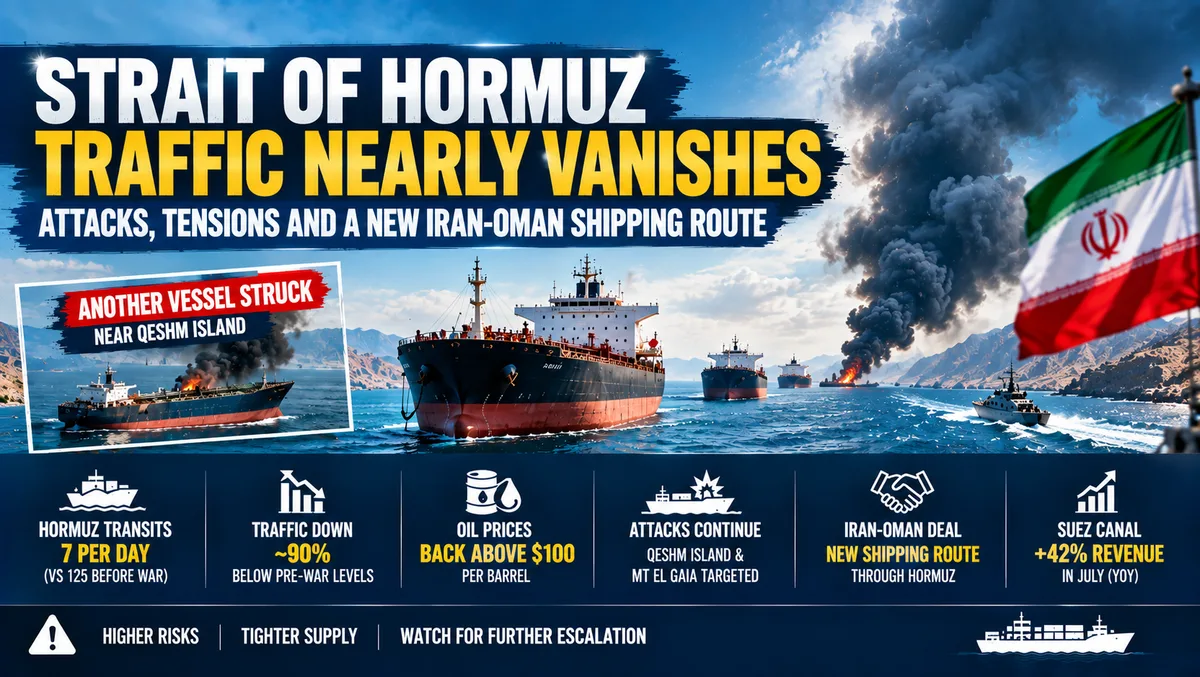
The 1,200-kilometre (745-mile) East-West pipeline runs across the entire Arabian Peninsula, carrying Saudi crude oil from the Gulf coast to the Red Sea coast — bypassing the Persian Gulf and the Strait of Hormuz entirely. This has made it Saudi Arabia's critical safety valve during the ongoing US-Iran war, allowing the kingdom to keep exporting oil even while Hormuz tanker traffic has slowed to a trickle.
The scale of what just shut down: the line has been moving 4 million to 5 million barrels per day in recent months — amounting to 4% to 5% of the entire world's oil supply. The Saudi energy ministry said it shut the pipeline "as a precaution" following the attack.
In plain English: Saudi Arabia's main workaround for the Hormuz blockade has now itself been knocked offline — even if only temporarily.
At the Same Time: Houthis Seize the Bab el-Mandeb Strait
While the pipeline attack was unfolding, an equally significant development was happening at sea. Four Yemeni government sources told Reuters that Houthi forces seized the strategic island of Perim on Friday — a small but critically located island sitting directly at the mouth of the Red Sea, in the Bab el-Mandeb Strait.
Houthi rebels effectively completed a rapid push to take control of Yemen's Red Sea coastline on Friday, tightening their grip on one of the world's most important shipping routes and delivering a dramatic boost to their backers in Iran.
Reuters reported that Iran told the Houthis last week to escalate their attacks on Saudi Arabia and promised more funding, weapons, and senior officers to help them do so — direct evidence, according to Iranian sources, of Tehran's role in coordinating this offensive, even as Iran publicly denies giving the Houthis military direction and describes them only as an ally rather than a proxy.
Yemeni government forces have indicated they will try to retake the areas Houthi fighters captured in this week's offensive along the Red Sea coast.
What Does Houthi Control of Bab el-Mandeb Actually Mean?
The Bab el-Mandeb Strait is one of the most important shipping chokepoints on Earth — the narrow gateway connecting the Red Sea (and the Suez Canal beyond it) to the Gulf of Aden and the Indian Ocean. A vast share of Europe-Asia trade normally passes through this strait.
If the Houthis gain lasting control of Bab el-Mandeb, their backer Iran could gain a critical strategic advantage in its broader war with the United States — effectively giving Tehran leverage over two of the world's most important oil and shipping chokepoints simultaneously: the Strait of Hormuz in the east, and now potentially Bab el-Mandeb in the west.
The Houthi military spokesperson, Yahya Saree, said maritime navigation remained safe for all shipping except Saudi vessels, which remain subject to a previously announced ban.
Oil Prices Surge Back Above $100
The combined effect of the Hormuz disruption and this new Red Sea escalation has been immediate and measurable. Global oil prices have moved back above $100 per barrel — a level not seen consistently since earlier phases of the Iran war.
Separately, the International Energy Agency reported on Friday that Saudi crude supply fell to its lowest levels in more than three decades — a decline driven partly by attacks on ships transiting Bab el-Mandeb by Houthi-linked groups, even before this week's island seizure.
For the logistics and shipping industry, this means fuel costs — already elevated for months due to the Hormuz crisis — are now facing additional upward pressure from a second, independent source of disruption.
Saudi Arabia Is Now Asking Washington for Military Help
The scale of the threat has pushed Saudi Arabia to directly request American military intervention. Saudi Crown Prince Mohammed bin Salman called President Trump at least twice on Thursday to request US military help fighting the Houthis, according to two sources familiar with the matter.
Washington's response so far has been measured: the US told Riyadh it was not willing to take direct military action for now, but would help with intelligence sharing and targeting, the sources said. A senior administration official said Washington remains in "continuous dialogue" with both Saudi Arabia and the Yemeni government.
This places the Trump administration in an increasingly difficult position. Higher fuel prices during the war have already exacted a political toll on the President and his Republican Party ahead of November's congressional elections — and a further escalation risks pushing prices even higher heading into the vote.
Has Saudi Arabia Retaliated for the Pipeline Attack?
Notably, Saudi Arabia has opted against retaliation so far following a request from the Iraqi prime minister, according to a Saudi foreign ministry statement — while adding that the kingdom reserves the right to "take all measures necessary" to protect its interests.
Iraq's government has condemned the pipeline attack and dismissed a military commander who had led operations in Maysan province — a southeastern Iraqi region near the Iranian border long associated with Iran-backed Shi'ite militia activity — in apparent response. Iraq also ordered the closure of the Shalamcheh border crossing with Iran as a precautionary measure; that crossing is one of Iraq's main routes for food imports from Iran.
A wide-scale operation is reportedly underway in Iraq to identify those responsible for the pipeline strike.
What Does This Mean for Global Shipping and Logistics?
This dual escalation — a major pipeline shutdown combined with a hostile power gaining effective control of a critical shipping strait — has serious and immediate implications for the freight industry:
- Two major chokepoints now under pressure simultaneously. For months, the Hormuz crisis was the primary disruption affecting Gulf shipping. Now, with Houthi forces controlling territory at Bab el-Mandeb, the Red Sea route — already dangerous due to Houthi missile and drone attacks since 2023 — faces a new and more direct threat.
- Fuel surcharges are likely to rise further. With Brent crude back above $100/barrel, carriers across ocean, air, and road freight will likely need to revise fuel surcharges upward in the coming days and weeks.
- The Saudi Arabia bypass route is compromised. Many shippers and analysts had been watching the East-West pipeline as evidence that Gulf oil exports could continue despite the Hormuz blockade. Its temporary shutdown — even if brief — removes a key pressure valve from the global oil supply system.
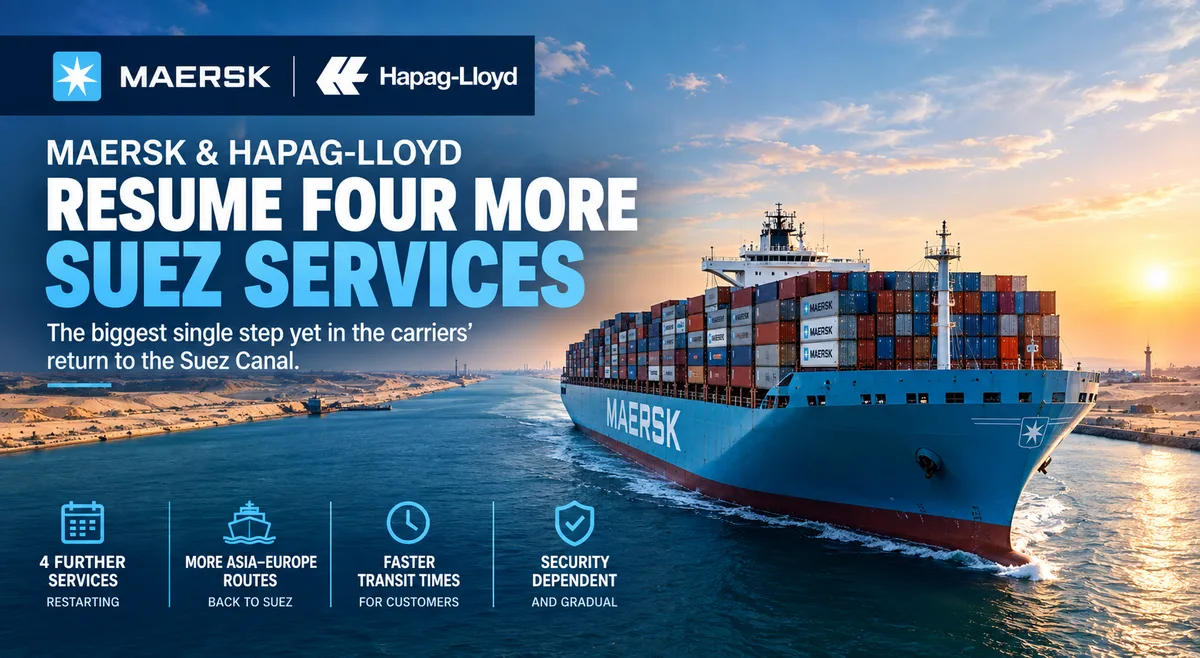
- Red Sea return plans face new uncertainty. As we reported last month, several major carriers had begun cautiously returning to Suez Canal and Red Sea routing to save time and fuel costs. A hostile power gaining direct control of the strait at the mouth of the Red Sea introduces a significant new risk factor for any carrier considering that return.
- War risk insurance costs will likely increase again. Insurers pricing Red Sea and Gulf coverage will need to account for this material change in the security situation — a Houthi-controlled Bab el-Mandeb represents a different and arguably more direct threat than intermittent missile attacks on passing ships.
What Should Shippers and Freight Forwarders Do Right Now?
- Pause any planned Red Sea/Suez transits pending clarity. If your carrier has cargo scheduled through the Red Sea corridor, confirm current routing plans immediately given this weekend's developments at Bab el-Mandeb.
- Watch oil prices daily. With Brent back above $100 and further escalation possible, fuel surcharge revisions could come quickly. Build flexibility into freight budgets for the coming weeks.
- Review war risk insurance coverage for both Hormuz and Red Sea exposure. With two major chokepoints now under simultaneous pressure, confirm your coverage addresses both regions specifically, not just the Gulf.
- Do not expect near-term de-escalation. With diplomatic efforts to end the broader war described as "stalled," and Iran reportedly actively encouraging the Houthi offensive, shippers should plan for continued — and potentially worsening — disruption in the region.
- Monitor US involvement closely. Washington's decision to offer intelligence support rather than direct military action for now suggests the situation could evolve quickly depending on how the Houthi advance and Saudi response develop in the coming days.
Key Takeaways — September 12, 2026
- Saudi Arabia shut down its East-West pipeline (4-5 million barrels/day, 4-5% of global oil supply) after a drone attack traced to Iraq-based militias.
- Houthi forces seized Yemen's Perim Island on September 11, gaining effective control of the Bab el-Mandeb Strait.
- Iran reportedly told the Houthis to escalate attacks on Saudi Arabia, promising additional funding and weapons.
- Global oil prices have moved back above $100 per barrel.
- Saudi crude supply fell to its lowest level in more than three decades, according to the IEA.
- Saudi Crown Prince Mohammed bin Salman requested direct US military help; Washington offered intelligence support only, for now.
- Saudi Arabia has not retaliated for the pipeline attack, at Iraq's request, but reserves the right to respond.
- Houthis say shipping remains safe for all vessels except those flagged or linked to Saudi Arabia.
- Diplomatic efforts to end the broader US-Iran war remain stalled.
This weekend's dual escalation — a critical Saudi pipeline shutdown paired with Houthi control of one of the world's most important shipping straits — marks a serious deepening of the energy and logistics crisis that has gripped the Middle East since February 2026. With both the Strait of Hormuz and now Bab el-Mandeb under significant pressure, the global shipping industry is facing a level of Middle East chokepoint risk not seen since the war began. Freight forwarders, shippers, and cargo owners should treat the days ahead as a period of heightened, fast-moving risk.


Comments
No comments yet. Be the first to share your thoughts!