
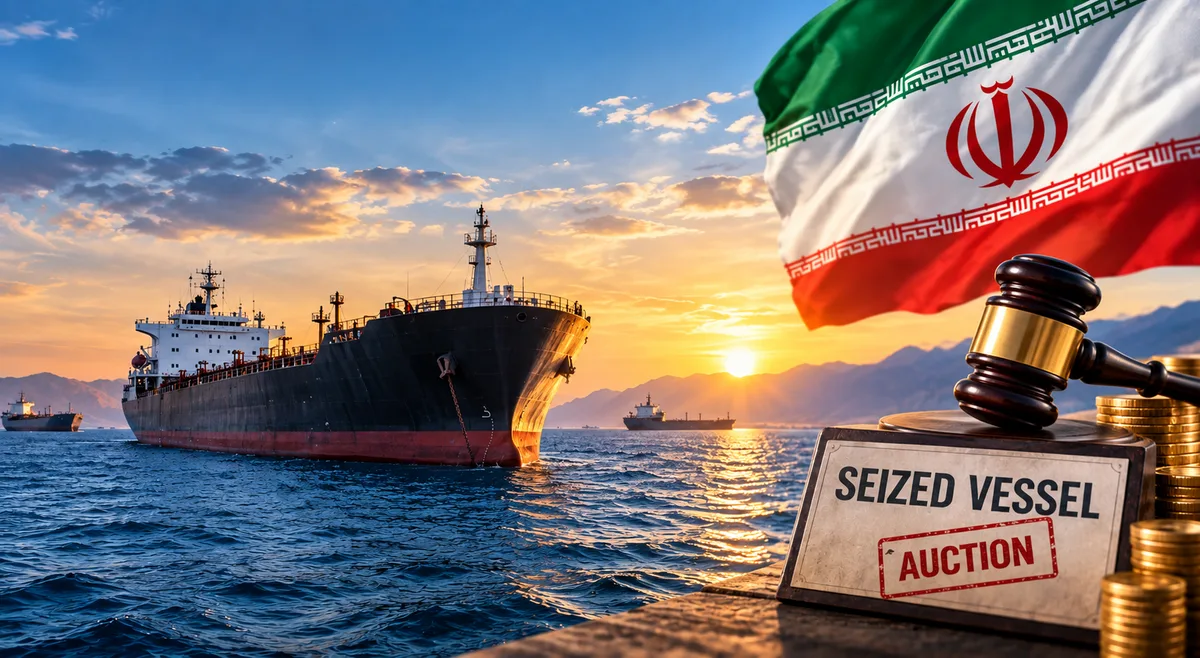
Iran's judiciary said this week it will sell US- and Israeli-linked commercial vessels seized in the Strait of Hormuz and the wider Gulf during the six-month war, with the proceeds distributed to families affected by the conflict. Hassan Abdollianpour, head of the judiciary's Center for Lawyers, made the announcement in a local television interview, saying the vessels had been stopped and seized "under judicial rulings" for violations while transiting the strait.
The move marks a new phase in how Iran is converting wartime maritime seizures into compensation. In 2024, Iran sold seized oil cargo — including crude from a Greek tanker chartered to Chevron — and directed the proceeds toward individuals harmed by US sanctions. This is the first time Tehran has moved to sell the vessels themselves.
What Iran Actually Announced
Abdollianpour did not name the specific vessels involved, but confirmed that commercial ships linked to the United States and Israel, seized during the war, would be sold, with proceeds used for compensation. He said he was in Bandar Abbas with other experts conducting an inspection to assess war damage as the first step in the compensation process, specifically evaluating the impact of US attacks in Hormozgan Province and surrounding areas in southern Iran.
The framing matters: Iran is positioning the ship sales not as a punitive or purely retaliatory measure, but as a funding mechanism for a formal compensation program for Iranian individuals and families affected by the war — a structure that gives the seizures a bureaucratic, judicially sanctioned character rather than treating them as simple wartime plunder.
A Blacklist That Has Grown From 45 to 77 Vessels
The ship-sale announcement did not emerge in isolation. Iran's Persian Gulf Strait Authority has been steadily expanding a blacklist of vessels over the past several weeks, growing in successive rounds from 45 vessels to 56 and then to 77, threatening fines, detention, or cargo confiscation for ships that breach its Hormuz transit rules. That expanding blacklist is the operational mechanism that has fed the pool of vessels now potentially subject to seizure — and, as of this week, sale.
For any carrier or charterer with vessels transiting the strait, the blacklist's growth trajectory is the more immediately actionable data point than the ship-sale announcement itself: a vessel added to that list faces escalating consequences, up to and including the kind of judicial seizure-and-sale process Iran has now confirmed it will pursue.
The US Is Running a Parallel Process
Iran is not the only party converting captured maritime assets into value. Houston's US Attorney has confirmed Justice Department preparations for prize proceedings over vessels and cargo captured by American forces during the conflict — a separate but structurally similar legal mechanism for the US side. Prize law, judgment execution under Iranian courts, and American civil forfeiture each use different legal tests to convert custody of a vessel into a final claim on its value, according to legal analysis published this month by JURIST. Flag registration, charter arrangements, insurance status, and cargo ownership all perform distinct legal functions in these proceedings, and a vessel's nationality alone does not settle who ultimately has a claim to it or its cargo.
That legal complexity is not an abstract concern. It means that any eventual ceasefire or resolution to the broader conflict will need to address a tangle of competing seizure, sale, and compensation claims on both sides — ships, cargo, and the proceeds from sales already conducted or now announced — before shipping in the region can be said to have genuinely normalized, even after hostilities themselves subside.
The Conflict Remains Active
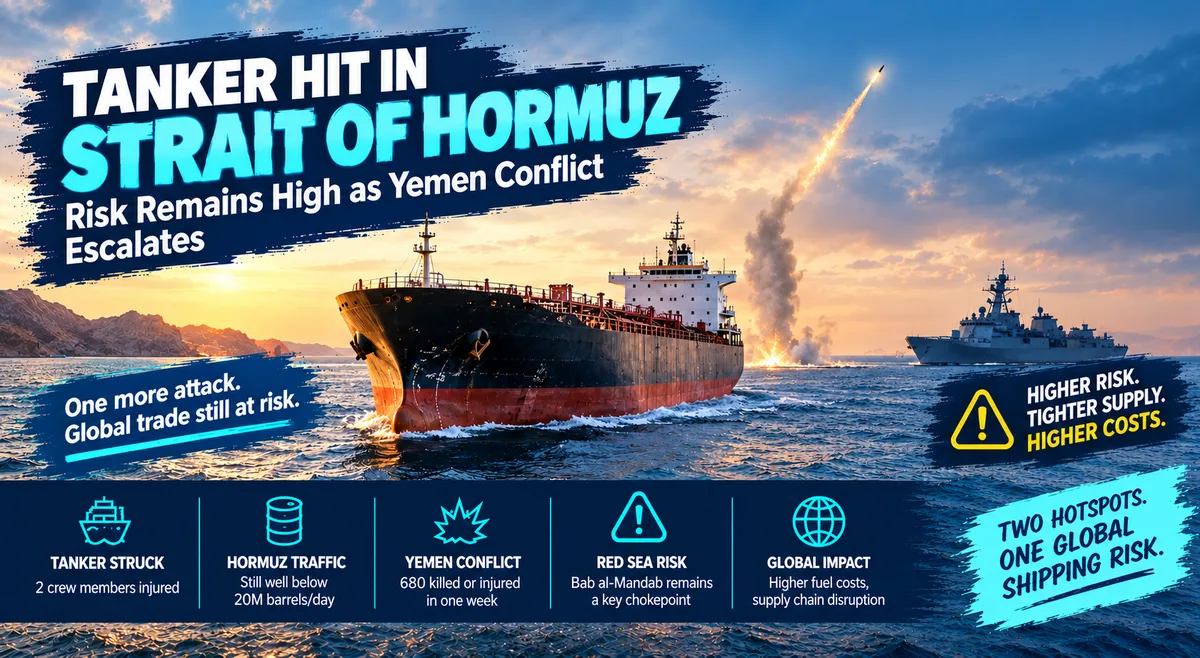
The ship-sale announcement comes as the underlying conflict shows no sign of resolution. Iran struck another tanker in the Strait of Hormuz on September 21, causing injuries to two seafarers, continuing its pattern of asserting operational control over vessels transiting the waterway. That attack, just a day before the ship-sale announcement, underscores that Tehran's maritime posture in the strait remains simultaneously militarily assertive and administratively formalized — striking vessels it deems in violation while building out the legal infrastructure to monetize seized assets.
What This Means for Shippers, Charterers and Insurers
- Check your vessels and counterparties against Iran's expanding Hormuz blacklist. With the list having grown from 45 to 77 vessels in successive rounds, any charterer or shipowner with Gulf-transiting assets should be actively monitoring the current blacklist status rather than relying on a snapshot from earlier in the conflict.
- US- and Israeli-linked ownership is now a specifically elevated risk factor. Iran's announcement explicitly frames the vessels being sold as US- and Israeli-linked. Any vessel with US or Israeli beneficial ownership, charter arrangements, or flag history transiting the strait carries meaningfully elevated seizure risk under Iran's current judicial framework.
- A future ceasefire will not automatically resolve seized-ship disputes. With Iran now selling vessels and the US separately pursuing prize proceedings over its own captures, any diplomatic resolution to the broader war will need a specific mechanism for unwinding these competing claims. Shipowners with vessels currently detained or seized should not assume a ceasefire alone restores their assets or compensates their loss — legal resolution is likely to lag any military de-escalation by months or longer.
- Insurers should reassess war risk pricing for detention and confiscation, not just physical damage. A formal, judicially sanctioned sale mechanism for seized vessels represents a different risk category than temporary detention — it implies a real possibility of total loss of the vessel, not just delay, for ships caught in violation of Iran's transit rules.
- The conflict's dual track — kinetic and legal — requires monitoring both simultaneously. September 21's tanker attack and September 22's ship-sale announcement happened one day apart. Shippers need visibility into both the physical security situation and the evolving legal/administrative framework Iran is building around seizures, since the two are now operating in parallel rather than one simply following the other.
Key Takeaways — September 23, 2026
- Iran's judiciary announced it will sell US- and Israeli-linked commercial vessels seized in the Strait of Hormuz and Gulf during the war, with proceeds distributed to families affected by the conflict — the first time Iran has moved to sell seized vessels rather than only cargo.
- Judiciary official Hassan Abdollianpour confirmed the plan in a local TV interview, saying vessels had been seized "under judicial rulings" for transit violations, without naming specific ships.
- Iran's Persian Gulf Strait Authority has expanded its Hormuz transit blacklist from 45 to 56 to 77 vessels in successive rounds, the operational feeder mechanism behind current and future seizures.
- The US Justice Department is separately preparing "prize proceedings" over vessels and cargo captured by American forces, creating parallel and legally distinct seizure-to-value processes on both sides.
- Iran struck another tanker in the Strait of Hormuz on September 21, injuring two seafarers, confirming the conflict remains militarily active even as this legal and administrative seizure framework develops.
- Any future ceasefire is unlikely to automatically resolve the competing ship, cargo, and compensation claims now being formalized by both Iran and the US — legal resolution will likely lag military de-escalation.



Comments
No comments yet. Be the first to share your thoughts!