
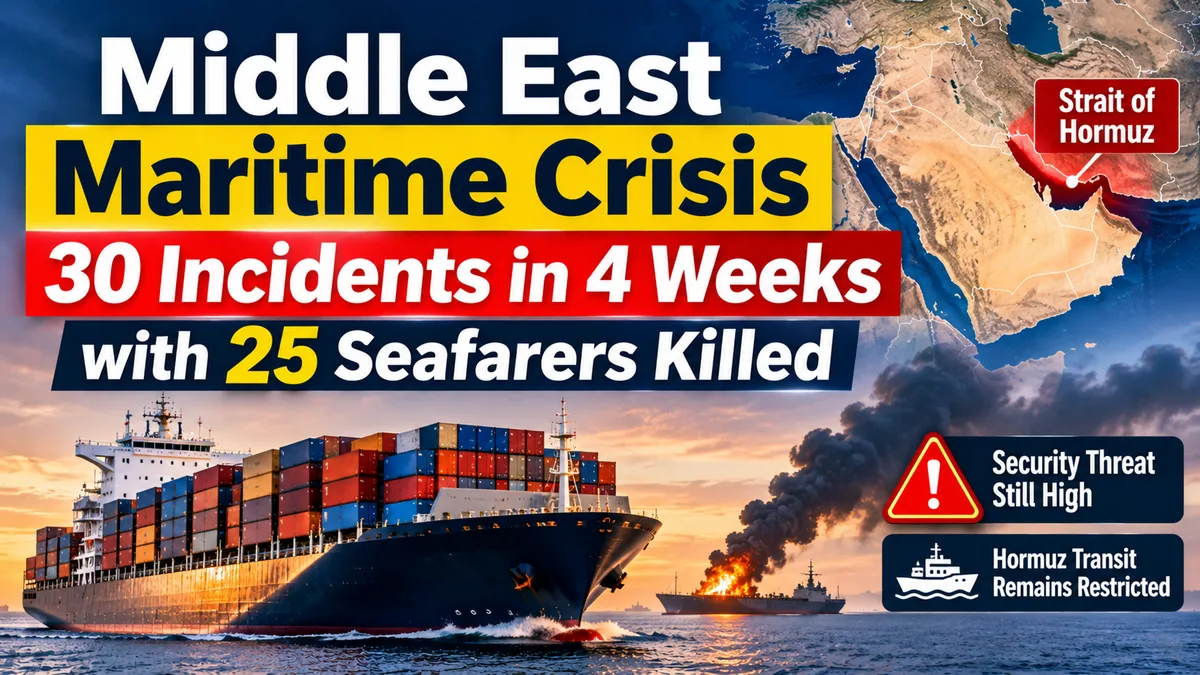

The human and operational cost of the ongoing Middle East maritime crisis continues to mount. 30 maritime security incidents were recorded across the Arabian Gulf, Strait of Hormuz and Gulf of Oman in the four weeks to November 24, 2026 — with ten incidents occurring in the final week alone, according to the latest Global Maritime Security Report published jointly by Lloyd's independent broker ATL and maritime security specialist MS Risk.
The report, released today on November 27, provides the most comprehensive monthly snapshot of maritime security conditions across the world's most dangerous shipping corridors — and the November figures paint a picture of a crisis that shows no sign of stabilising, despite the recent announcement of a limited US-Iran ceasefire.
The Human Toll: 25 Seafarers Killed
The most sobering figure in the November report is the confirmed death toll. According to the International Maritime Organization's (IMO) tally of November 6, 2026, at least 25 seafarers have been killed since the Middle East conflict began, across a minimum of 130 incidents involving commercial vessels. These are men and women who were doing their jobs — transporting goods that the world depends on — and paid with their lives.
The IMO figures cover the period from the outbreak of the US-Iran conflict on February 28, 2026, through early November. With 30 additional incidents recorded in the four weeks since, the full-year totals are expected to be significantly higher when the IMO publishes its year-end review.
Key Incidents: November 2026
Beyond the Gulf region, the November report documented serious incidents across multiple international waterways:
- 49 crew members rescued from three merchant ships off the coast of Bulgaria between October 28 and November 17 — a reminder that maritime security threats extend well beyond the Middle East theatre
- 16 crew members evacuated from the cargo ship Sparta II following a drone strike in the Gulf of Finland — the latest in a series of incidents in northern European waters linked to the broader geopolitical environment
- 17 piracy and armed robbery incidents, including attempts, recorded in the western Indian Ocean and Gulf of Aden between January 1 and November 6, 2026
- 28 incidents reported in the Straits of Malacca and Singapore since January — a persistent hotspot for opportunistic maritime crime
Hormuz: Ceasefire Has Not Restored Safety
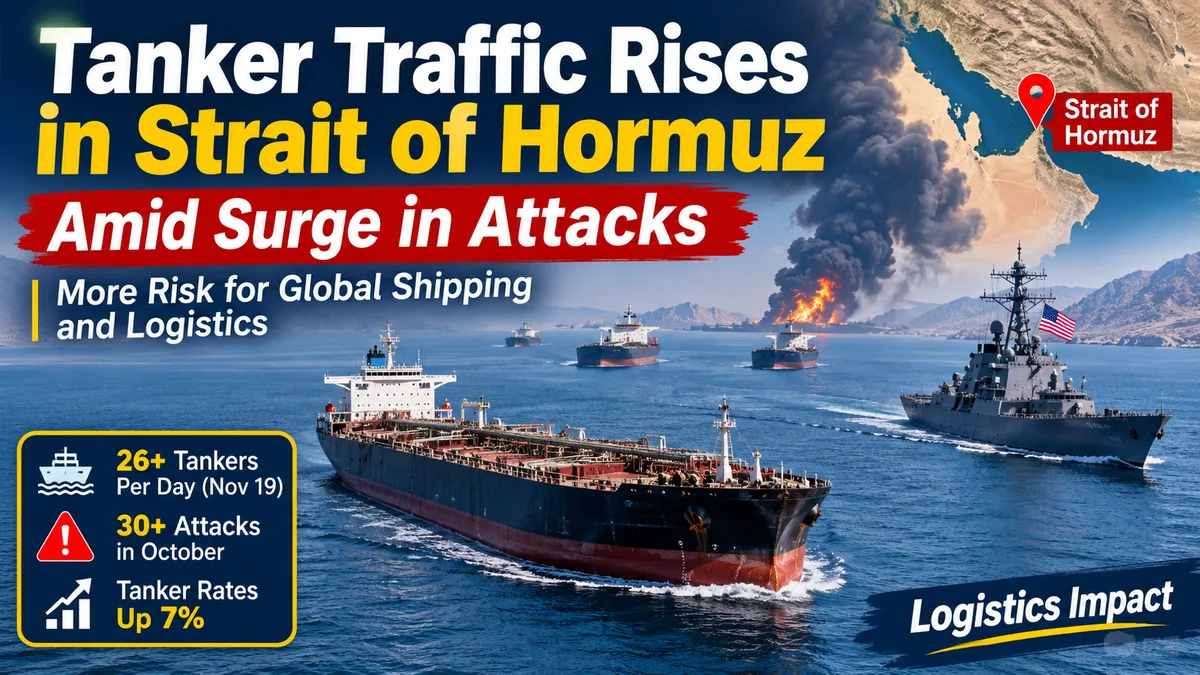
The timing of the November report is significant. A limited US-Iran ceasefire was announced in recent days, raising hopes of a partial reopening of the Strait of Hormuz. However, maritime security analysts and major shipping lines including Maersk and Hapag-Lloyd have cautioned that the ceasefire has not restored normal transit conditions.
Transit through Hormuz remains restricted, coordinated and selectively enforced. Standard shipping lanes are largely unused. War risk insurance premiums remain at historic highs, and the vessel backlog accumulated over nine months of disruption will take weeks to clear even if the ceasefire holds. As Xeneta Chief Analyst Peter Sand noted this week: "You do not suddenly toss that out of the window because there is a two-week ceasefire."
The 30 incidents recorded in November alone — including ten in a single week — confirm that the security threat in the Gulf has not materially diminished despite the diplomatic developments.
Global Context: A Nine-Month Crisis
The Middle East conflict entered its ninth month in November 2026. What began as a sharp escalation in February has fundamentally reshaped global shipping economics, routes and risk profiles:
- The standard Europe–Gulf container rotation — previously 25 days via Suez and Hormuz — now requires approximately 41 days via the Cape of Good Hope
- War risk insurance premiums have climbed from 0.2% to between 3% and 5% of vessel value, with some ships denied cover entirely
- Shanghai–Gulf freight rates have surged from $1,800 to over $6,000 per FEU — an increase of more than 230%
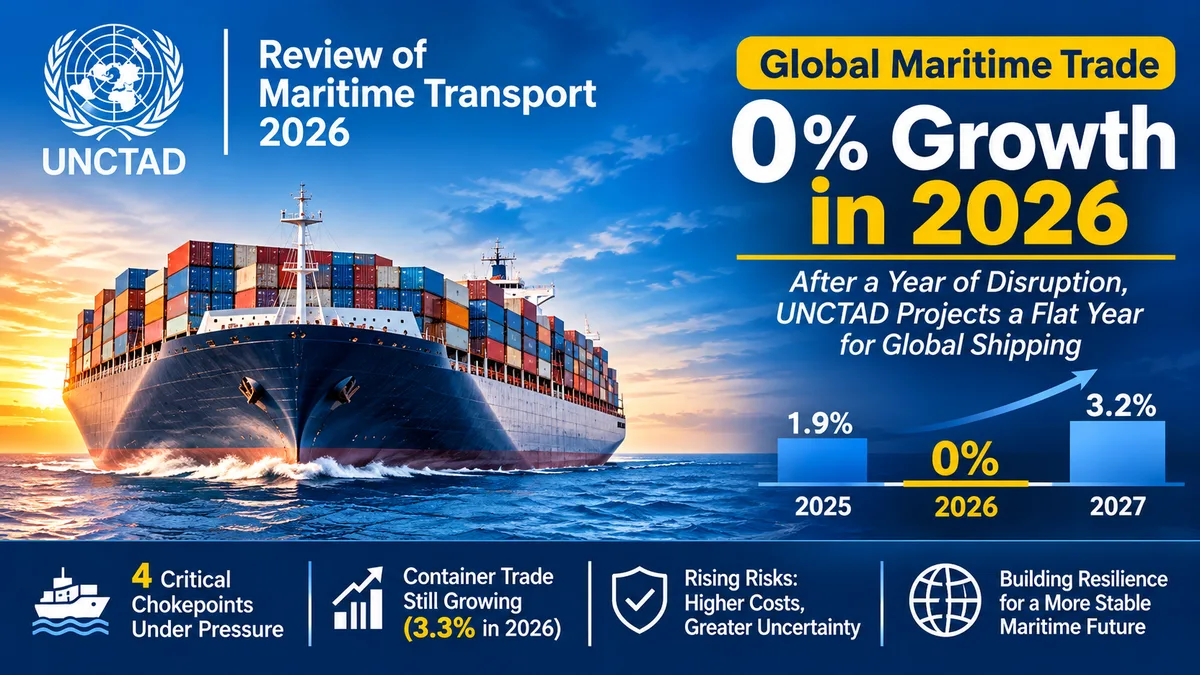
- UNCTAD confirmed this week that global maritime trade growth in 2026 is effectively zero — a direct consequence of the disruption
What This Means for Shippers and Freight Forwarders
The November security data delivers a clear message: the maritime crisis in the Gulf is ongoing, active and dangerous. For logistics professionals, this means several things in practice.
War risk coverage must be confirmed and kept current for any vessel transiting the region — insurers are updating their assessments weekly. Routing decisions for Gulf-bound cargo should factor in the continued risk of incident in the Hormuz corridor, regardless of ceasefire headlines. And crew welfare considerations — now firmly embedded in ESG and duty-of-care frameworks — require shippers and forwarders to actively question which routes their cargo partners are using and under what security conditions.
As the conflict enters its tenth month, the Global Maritime Security Report's November data serves as a sobering reminder that behind every disrupted supply chain is a human story — and in too many cases, a human tragedy.
🔑 Key Takeaways — November 27, 2026
- 30 incidents in 4 weeks — Arabian Gulf, Strait of Hormuz and Gulf of Oman remain the world's most dangerous maritime corridor, with 10 incidents in the final week of November alone.
- 25 seafarers killed since the conflict began — IMO has logged at least 130 commercial vessel incidents since February 28, 2026.
- Ceasefire has not restored safety — Hormuz transit remains restricted and selectively enforced; war risk insurance premiums unchanged.
- Sparta II drone strike in Gulf of Finland — 16 crew evacuated, confirming maritime security threats now extend to European waters.
- 49 crew rescued off Bulgaria — three separate merchant ship incidents in Black Sea / Bulgarian waters between October 28 and November 17.
- 28 incidents in Malacca Straits — opportunistic piracy continuing in Southeast Asia throughout 2026.
- Europe–Gulf route now 41 days — up from 25 days pre-crisis via Suez and Hormuz.
- Action for shippers — verify war risk coverage, confirm routing decisions with forwarders, and monitor IMO and ATL/MS Risk weekly updates.
Source date: November 27, 2026 | Published: November 27, 2026


Comments
No comments yet. Be the first to share your thoughts!