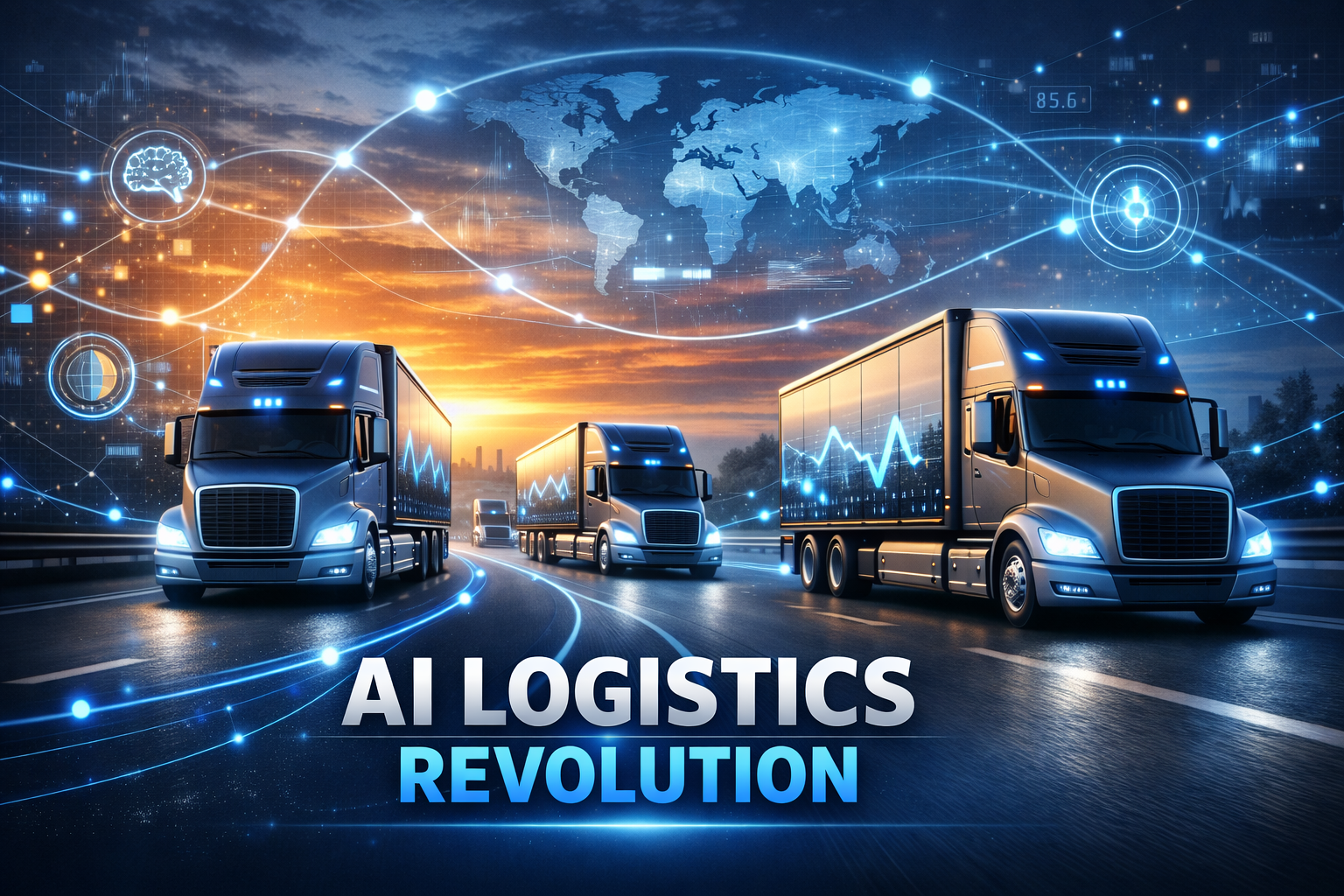
The logistics industry is entering a new era as artificial intelligence and autonomous vehicle technology continue to reshape freight transportation. Self-driving trucks are now moving closer to large-scale commercial use, offering logistics companies a smarter and more efficient way to move cargo.
The Rise of Autonomous Freight
Several technology companies and logistics providers are currently testing AI-powered autonomous trucks on highways across the United States and other regions. These vehicles use advanced sensors, cameras, radar systems, and artificial intelligence software to navigate roads with minimal human involvement.
Industry experts believe autonomous trucks could significantly improve transportation efficiency by reducing delivery times, lowering fuel consumption, and minimizing operational costs.
Why the Logistics Industry Is Interested
The global logistics sector continues to face major challenges, including rising transportation costs, driver shortages, and increasing delivery demands from e-commerce businesses. Autonomous trucking technology is being viewed as a possible long-term solution to these problems.
AI-powered systems can operate for longer hours compared to traditional trucking operations, potentially increasing freight capacity and improving shipment reliability.
Technology Driving the Change
Artificial intelligence plays a central role in autonomous trucking systems. AI helps vehicles process real-time road conditions, detect obstacles, manage speed, and optimize driving routes.
Many logistics companies are also integrating AI with predictive analytics and fleet management software to improve overall supply chain performance. These technologies help businesses reduce delays and improve operational visibility.
Challenges Still Remain
Despite the progress, autonomous trucking still faces regulatory, safety, and infrastructure challenges. Governments and transportation authorities are working to develop laws and safety standards for self-driving commercial vehicles.
Public trust and cybersecurity are also important concerns. Logistics companies must ensure that AI systems are secure, reliable, and capable of handling complex driving situations safely.
Future Outlook
Industry analysts expect autonomous trucks to become more common over the next decade, especially on long highway routes. While human drivers will still play an important role, AI technology is expected to support logistics operations and improve transportation efficiency.
As investment in logistics technology continues to grow, companies that adopt AI-driven solutions early may gain a strong competitive advantage in the future freight market.
Conclusion
AI-powered autonomous trucks are quickly becoming one of the most important innovations in the logistics industry. By combining artificial intelligence with freight transportation, the industry is moving toward faster, smarter, and more efficient supply chain operations.
Although challenges remain, autonomous trucking technology has the potential to reshape global logistics and redefine the future of freight movement.

Comments
No comments yet. Be the first to share your thoughts!
Join the conversation
You need an account to comment on articles.